
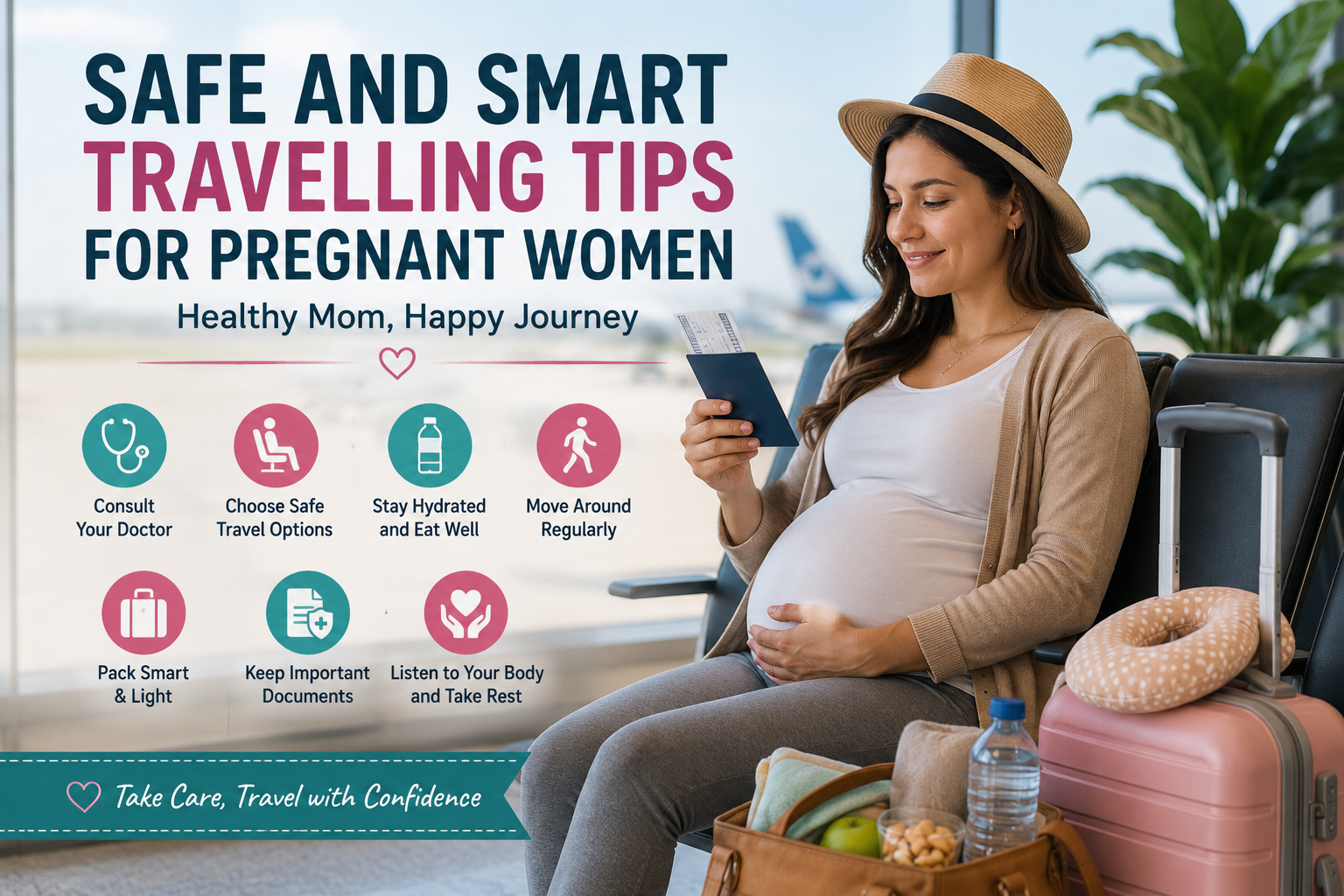
Travelling while pregnant can be exciting, refreshing, and sometimes necessary. Whether you are heading out for a family visit, work trip, or even holiday, pregnancy does not automatically mean you have to stay indoors.
However, it does mean you need to travel a little smarter and pay closer attention to your comfort and safety.
From bumpy road trips to long airport queues, travelling during pregnancy comes with its own unique challenges. The good news is that with proper planning, most pregnant women can travel safely and comfortably.
Here are practical and helpful travelling tips every expectant mother should know before hitting the road or boarding a plane.
Talk to Your Doctor Before Travelling
Before making any travel plans, have a conversation with your doctor, especially if you are in your third trimester or have a high-risk pregnancy.
Your doctor may advise against travelling if you have conditions such as:
- High blood pressure.
- Risk of preterm labour.
- Placenta-related complications.
- Severe morning sickness.
- Multiple pregnancies, such as twins or triplets.
If you are cleared to travel, ask for copies of important medical records and emergency contact information, just in case.
Know the Best Time to Travel During Pregnancy
Many doctors consider the second trimester — between weeks 14 and 28 — the safest and most comfortable time for travel.
By this stage:
- Morning sickness is often reduced.
- Energy levels are usually better.
- The risk of miscarriage and early labour is lower.
Travelling very late in pregnancy can become uncomfortable due to back pain, swelling, and fatigue.
Travelling by Road: Tips for a Safer Journey
Road trips can be exhausting during pregnancy, especially on rough or long-distance routes. Comfort should be your priority.
Always Wear Your Seatbelt Properly
Some pregnant women avoid seatbelts because they feel uncomfortable, but this is risky. The lap belt should sit below your baby bump, across your hips, while the shoulder belt should rest between your breasts and to the side of your belly.
A properly worn seatbelt protects both mother and baby.
Take Frequent Breaks
Do not sit in one position for too long. Stop every one to two hours to:
- Stretch your legs.
- Walk around briefly.
- Improve blood circulation.
- Reduce swelling.
Long hours of sitting can increase the risk of blood clots during pregnancy.
Stay Hydrated
Pregnant women get dehydrated faster than usual, especially during long trips in hot weather. Keep a bottle of water nearby and sip regularly, even if you do not feel thirsty.
Pack Healthy Snacks
Traffic delays and long travel hours can worsen nausea and hunger. Carry light snacks such as:
- Fruits
- Crackers
- Nuts
- Granola bars
- Biscuits
Small, regular snacks can help prevent dizziness and discomfort.
Avoid Driving for Too Long
Pregnancy can cause tiredness, back pain, and slower reaction times, especially in later months. So it’s advisable not to drive for too long; instead, get a driver or travel by public transport. But ensure you have a good and comfortable seat.
Travelling by Air: Important Tips for Pregnant Women
Flying while pregnant is generally safe for healthy pregnancies, but preparation matters.
Check Airline Pregnancy Policies
Many airlines have restrictions for pregnant passengers after a certain number of weeks. Some may require a medical certificate after 28 weeks of pregnancy.
Always confirm the airline’s rules before booking your ticket.
Choose an Aisle Seat
An aisle seat makes it easier to:
- Stretch your legs.
- Use the restroom comfortably.
- Move around during the flight.
This simple choice can make a huge difference during long flights.
Move Around During the Flight
Sitting for hours can lead to swollen feet and poor circulation. Try to:
- Walk around the cabin occasionally.
- Flex and stretch your ankles while seated.
Compression socks may also help reduce swelling.
Dress Comfortably
Tight clothing can become uncomfortable during travel. Wear loose, breathable outfits and comfortable shoes.
Pregnancy already puts pressure on your body, so avoid adding unnecessary discomfort.
Avoid Heavy Luggage
Lifting heavy bags can strain your back and abdominal muscles. Use rolling luggage or ask for help when needed.
There is no prize for carrying everything yourself.
Pack a Pregnancy Travel Essentials Bag
Whether travelling by road or air, keep these items close:
- Prenatal vitamins
- Water bottle
- Healthy snacks
- Medical documents
- Hand sanitizer
- Comfortable pillow
- Phone charger
- Any prescribed medication
Having essentials within reach can make the journey smoother and less stressful.
Listen to Your Body
This may be the most important travel tip of all.
If you feel:
- Dizzy
- Extremely tired
- Short of breath
- Severe abdominal pain
- Unusual contractions
Do not ignore it. Rest immediately and seek medical attention if necessary. Pregnancy is not the time to push your body beyond its limits.
Avoid Stressful Travel Schedules
Trying to rush through airports, catch buses at the last minute, or endure stressful journeys can quickly drain your energy.
Plan, leave early, and give yourself enough time to move comfortably. A slower pace makes travelling safer and far more enjoyable.
You should know that travelling during pregnancy does not have to be scary or uncomfortable. With proper planning, smart choices, and a little extra care, pregnant women can still enjoy safe and memorable journeys.
The key is simple: prioritize comfort, stay hydrated, move often, and never ignore your body’s signals.
Whether you are travelling by road for a family gathering or boarding a flight for a relaxing getaway, your safety and your baby’s well-being should always come first.