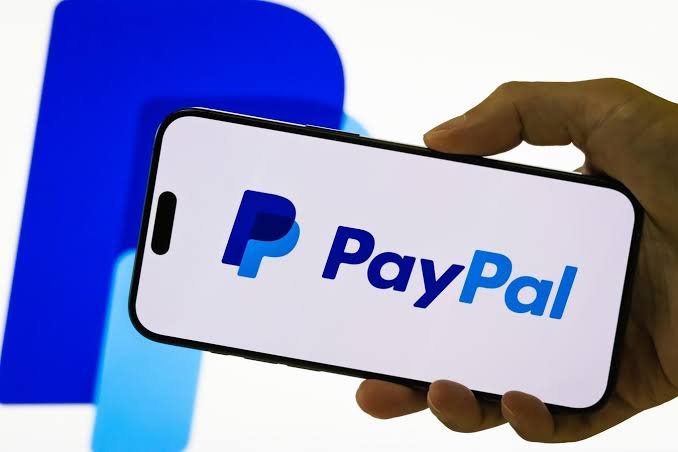
PayPal is trying to slip back into Africa, and Nigerians are not here for it. Not one bit.
The company recently hinted at a 2026 return through partnerships with local fintech players, framing it as some grand expansion into the continent.
But across social media, especially on X, the reaction has been swift and brutal: calls for a full boycott, threads digging up old wounds, and a flat-out refusal to welcome the payment giant back.
Many see this move as opportunistic, almost insulting, after years of being shut out while the rest of the world used PayPal freely.
The bad blood goes way back.
Since the mid-2000s, PayPal placed heavy restrictions on Nigeria and a handful of other African countries.
Officially, it was about high fraud risks, chargebacks, and stolen cards.
In practice, it meant Nigerians could open accounts and send money out, but receiving payments or withdrawing to local banks? Forget it.
For almost two decades, freelancers, remote workers, small business owners, and everyday hustlers were locked out of a huge chunk of the global digital economy.
The stories are painful and personal.
A graphic designer lost major international clients because the only payment option was PayPal. A software developer watched job offers vanish the moment “Nigeria” appeared on his profile.
Countless young people trying to earn dollars through surveys, micro-tasks, or gigs on platforms like Upwork and Fiverr hit the same wall.
Many resorted to desperate workarounds: using VPNs to fake locations, borrowing relatives’ accounts abroad, or paying hefty fees to middlemen.
It wasn’t just inconvenient; it felt discriminatory. “Why us?” became the constant question.
And that’s the part that still stings. Fraud happens everywhere. Scams aren’t exclusive to Nigeria.
Yet PayPal seemed to single out Africa’s biggest country, slapping on restrictions that didn’t fully apply to nations with similar or worse records.
While PayPal rolled out services in over 190 markets, including tiny countries few people think about, Nigeria stayed on the outside looking in. That lingering sense of unfair treatment has never gone away.
But here’s the thing: Nigerians didn’t just sit and complain. They built alternatives.
When PayPal turned its back, local and regional fintechs stepped up. Flutterwave, Paystack (before the Stripe acquisition), Payoneer, Grey, Cleva, Raenest, and others created solutions tailored to the reality on the ground.
Virtual dollar accounts, easy cross-border transfers, seamless integrations for freelancers.
Today, Nigeria’s fintech scene is one of the most vibrant in the world, moving billions annually. People found ways to get paid, save in dollars, and run businesses globally without ever needing PayPal.
Now the company wants back in, quietly, through backdoor partnerships rather than a direct apology or full restoration of services.
The plan, teased as “PayPal World,” would link local wallets to its network without requiring traditional PayPal accounts.
It sounds convenient on paper, but to many Nigerians, it feels like too little, way too late.
“We survived without you,” is the common refrain. “We built our own thing. Why should we let you profit now?”
On X, the sentiment is raw.
One designer wrote in all caps: “PLEASE BOYCOTT PAYPAL IF YOU HAVE THE CHANCE.” Another threatened to sue any local fintech that integrates with them, demanding compensation for years of frozen funds and lost income.
The anger isn’t manufactured; it’s built on real scars from a time when opportunities slipped away simply because of a postcode.
Some analysts point out the irony in PayPal’s timing. The company has struggled lately, with its stock taking heavy hits while competitors eat its lunch.
Africa’s young, tech-savvy population looks like the next big growth market. To many Nigerians, this doesn’t feel like goodwill. It feels like fear of missing out.
A few voices argue it could bring more options and competition, which isn’t a bad thing.
But right now, those voices are drowned out by the overwhelming chorus of “no thanks.” Nigerians endured the exclusion, adapted, and thrived in spite of it. They built bridges PayPal refused to cross.
So when the company finally shows up at the door, years later, acting like nothing happened? The response is clear: the door stays closed.
– Victor Ojelabi, a journalist and publisher of Freelanews.com, writes from Lagos