
As public health concerns rise, staying informed and prepared is the most powerful tool you have to keep you and your loved ones safe.
With health authorities monitoring potential risks closely, panic can easily spread but proactive prevention is far more effective.
Whether you are navigating daily commutes, managing a busy household, or simply looking to understand the facts, knowing the right safety protocols makes all the difference.
Here are the essential, expert-backed safety tips you need to know to protect yourself and your family from the Ebola threat.
1. Practice Rigorous Personal Hygiene
The frontline defense against any viral transmission begins with your hands. Wash your hands frequently with soap and clean water for at least 20 seconds. If soap and water are not readily available, use an alcohol-based hand sanitizer with at least 60% alcohol. Make it a habit to sanitize or wash your hands before eating, after touching public surfaces, and after returning home from crowded areas.
2. Avoid Contact with Body Fluids
Ebola is primarily spread through direct contact (through broken skin or mucous membranes in the eyes, nose, or mouth) with the blood, vomit, stool, sweat, or other bodily fluids of an infected person.
In your daily routine:
- Maintain a safe distance from individuals showing symptoms of severe illness, fever, or unexplained bleeding.
- Avoid handling items-such as clothing, bedding, or medical equipment-that may have been contaminated by an infected individual.
3. Exercise Caution with Meat and Food Safety
While person-to-person transmission is the primary driver of outbreaks, avoiding high-risk food sources is crucial. Ensure all animal products, especially bushmeat, are thoroughly cooked before consumption. Raw or undercooked meat can harbor dangerous pathogens. Always practice safe food handling and preparation habits in your kitchen.
4. Know the Symptoms and Act Fast
Early detection significantly improves medical outcomes. Familiarize yourself and your family with the early warning signs of Ebola, which often mimic other tropical illnesses like malaria or typhoid.
Key symptoms include:
- Sudden high fever
- Severe headache and muscle pain
- Intense fatigue and weakness
- Sore throat, vomiting, and diarrhea
- Unexplained bruising or bleeding
If anyone in your household develops these symptoms, especially after potential exposure or travel to affected regions, avoid self-medicating and seek immediate medical attention while calling local health hotlines for guidance before visiting a clinic.
Stay Calm, Stay Informed
While headlines can cause anxiety, adhering to verified health directives from official bodies like the World Health Organization (WHO) or the Ministry of Health is your best safeguard.
Keep communication open within your household, stay updated through credible news sources, and prioritize calm, proactive hygiene measures.
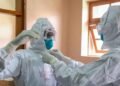
It is also important for health workers to adhere strictly to Personal Protective Equipment (PPE) standards.l for safety reasons.
Also, in times of public health uncertainty, vigilance and preparation remain our strongest lines of defense. While the confirmation of new health alerts can spark widespread concern, panicking does little to protect us. By staying in, practicing strict personal hygiene, avoiding high-risk exposures, and recognizing symptoms early, you drastically reduce any potential risk to your household.
Remember that proactive health measures begin at home, keep calm, follow verified advisories from health authorities, and prioritize the safety of you and your family above all.