The World Bank says 129 million Nigerians are trapped in poverty.
Glamtush reports that the World Bank has released the Nigeria Development Update report, stating that over 129 million Nigerians are currently trapped in poverty.
This online news platform understands that it released the report on Thursday in Abuja as headline inflation rises, forcing millions of Nigerians into hunger.
According to the global financial body, the over 129 million Nigerians represented a sharp rise from 40.1 per cent in 2018 to 56 per cent in 2024.
The World Bank report read, “With growth proving too slow to outpace inflation, poverty has risen sharply. Since 2018, the share of Nigerians living below the national poverty line16 is estimated to have risen sharply from 40.1 per cent to 56.0 per cent.
“Combined with population growth, this means that some 129 million Nigerians are living in poverty. This stark increase partly reflects Nigeria’s beleaguered growth record. Real GDP per capita has not recovered to the level it was at prior to the oil price-induced recession in 2016.
“The COVID-19 pandemic compounded this drop in economic activity. Moreover, growth is failing to outpace inflation: large increases in prices across almost all goods have diminished purchasing power.”
It added, “Multiple shocks in a context of high economic insecurity have deepened and broadened poverty, with over 115 million Nigerians estimated to have been poor in 2023. Since 2018/19, an additional nearly 35 million people have fallen into poverty, so that more than half of Nigerians (51.1 per cent of the population in 2023) are now estimated to live in poverty.”
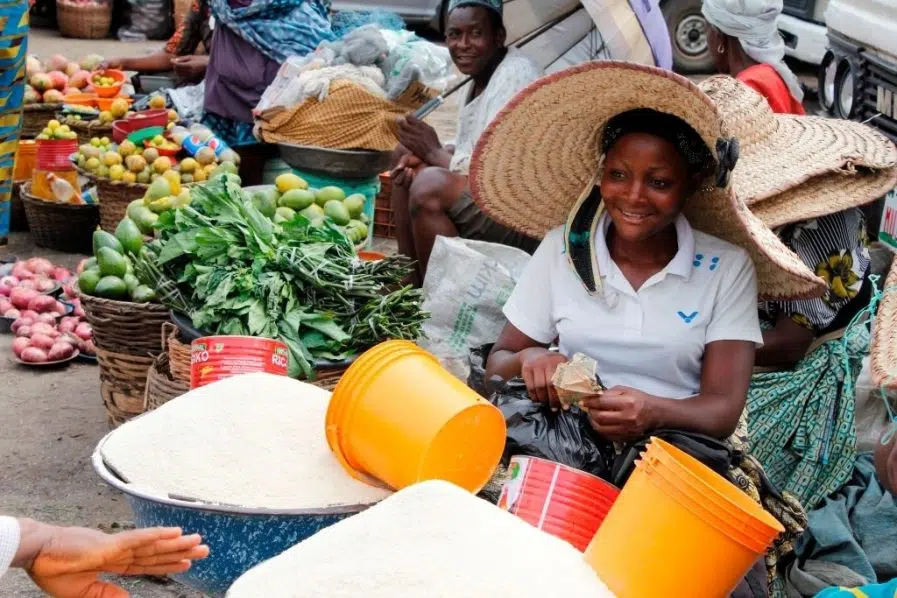
According to the report, there was an increase from 115 million in 2023 to 129 million in 2024, which means that 14 million Nigerians have become poorer this year.
The Washington-based bank attributed this surge to inflation, poor economic management, and external shocks.
“Several shocks have contributed to this major increase and changing profile of the poor: the COVID-19 recession, natural disasters such as flooding, growing insecurity, the high cost of the demonetization policy in Q1 2023, high inflation, and low economic growth.
“Previous domestic policy missteps compounded the effects of the shocks, particularly rising inflation, eroding the purchasing power, especially of urban households, pushing many into poverty. The government is ramping up the cash transfer programs to support economically insecure households to help weather the crisis,” the report noted.
It further revealed that while poverty remained a rural phenomenon, urban poverty had grown significantly, with 31.3 per cent of urban dwellers now living in poverty, up from 18 per cent in 2018.
The new World Bank report also noted, “Being employed, however, is no guarantee of being able to escape poverty. Many jobs are not productive and therefore remunerative enough to afford a life beyond poverty.”
It added, “Jobs hold the key to sharing the proceeds of growth. Since Nigeria has a young and growing population, the jobs that can harness the country’s potential ‘demographic dividend’ are needed now.”
Sienaert also dismissed claims that the institution seeks to keep Nigeria economically dependent.
“I’m in this position of having been the lead economist at the World Bank here in Nigeria on economic policy issues for two years now, and I just want to tell you that I’ve not seen any conspiracy within the World Bank or otherwise to keep Nigeria down,” Sienaert said.
He pointed out that Nigeria’s fiscal deficit had shrunk from 6.2 per cent of GDP in 2022 to 4.4 per cent in the first half of 2023, thanks to reforms such as the removal of FX and fuel subsidies.
Meanwhile, the World Bank Country Director for Nigeria, Dr Ndiame Diop, urged the Federal Government to sustain its reforms, warning that reversing them would be disastrous.
Diop cautioned that “reversing these reforms would be detrimental and would spell doom for Nigeria.”
He acknowledged that the reforms are difficult but essential to stabilise the economy.
Diop also noted that the World Bank is willing to offer Nigeria more loans as well as technical assistance in support of ongoing reforms.
Answering a question about whether the World Bank will keep providing loans to Nigeria, Diop said “Yes, we do have in the pipeline for this fiscal year several projects financed by the World Bank. These are government projects, implemented mostly by the states.”
He added, “Nigeria is a very important partner for the World Bank. We have been providing technical support, but also financing. But what is really important is that our financing comes with technical support and implementation support, and really making sure things go according to plan.”
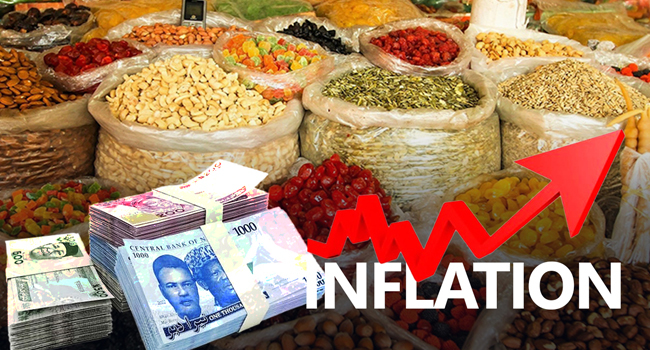
The average price of commodities in Nigeria has increased by 45.92 per cent to 32.70 per cent as the headline inflation rate in September 2024 since Tinubu assumed office in May 2023.
This rate is from 22.41 per cent recorded in May 2023, indicating a 10 percentage point increase.
The Inflation rate escalated for 13 consecutive months due to various factors, including the removal of fuel subsidy, which led to increased transportation and production costs, and the depreciation of the naira against major currencies.
A breakdown of the National Bureau of Statistics monthly inflation report showed that the average price of commodities moved from 22.41 per cent in May to 22.79 per cent in June. In July, the rate increased by 1.29 per cent to 24.08 inflation rate. August inflation was 25.80 per cent, September (26.72), October (27.33), November (28.20), and December (28.92).
As of late 2023, inflation surged, driven by higher prices for food, energy, and essential goods.
By January 2024, the inflation rate increased further to 29.90 per cent, mainly on the cost of food items.
It was 31.70 per cent in February, 33.20 per cent in March, 33.69 per cent in April, 33.95 per cent inMay, and 34.19 per cent in June 2024 before it dropped to 33.40 per cent in July, 32.15 per cent in August and 32.70 per cent in September.