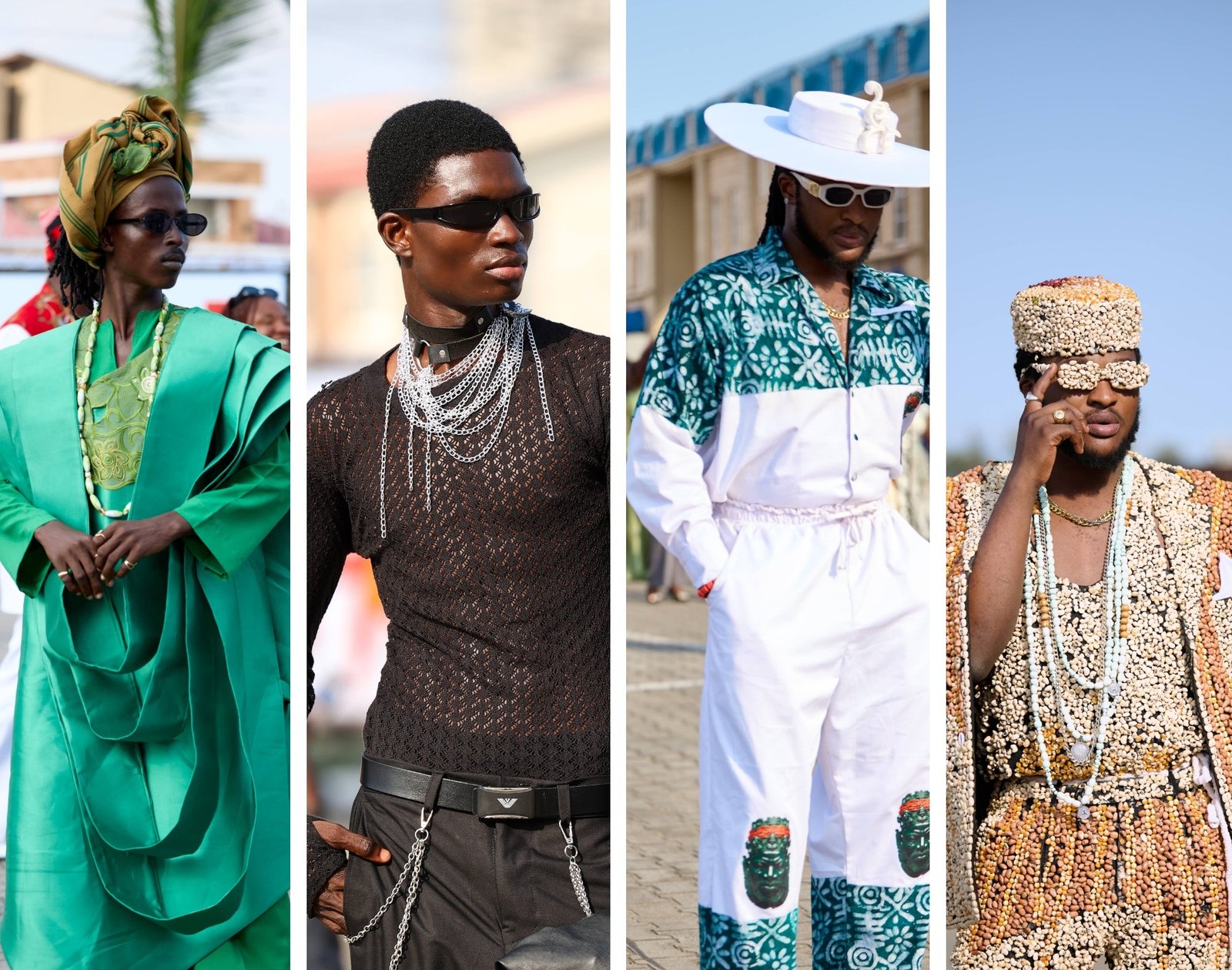
The runway had the designers. The street had the boys. And at GTCO Fashion Weekend 2026, the street won.
For two days at the GTCentre, Oniru, Lagos, saw the 2026 edition of GTCO Fashion Weekend — themed “Fashion Is Timeless.” 12 designers. Emerging labels. Masterclasses. 140 businesses. Indigenous textiles. A Streetwear Hub.
But the loudest fashion statement was not inside the building.
It was outside. On the pavement. In the entrance. In front of the cameras.
Young Nigerian men arrived dressed to be seen. And they were seen.
This was not an accident. This was a takeover.
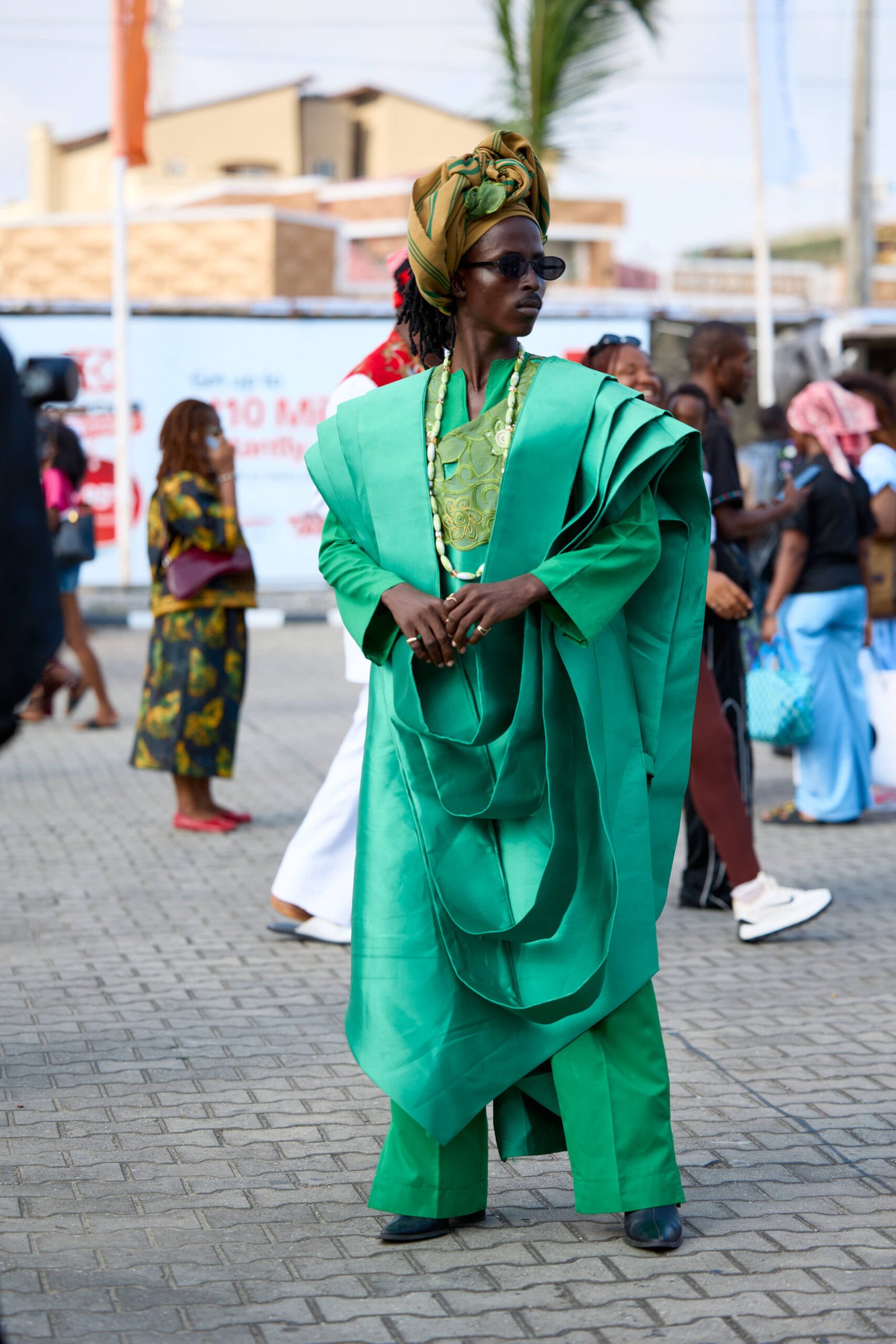
The Unofficial Runway Started At The Gate
You do not need a catwalk to be part of a fashion show. You need intent.
The boys understood that.
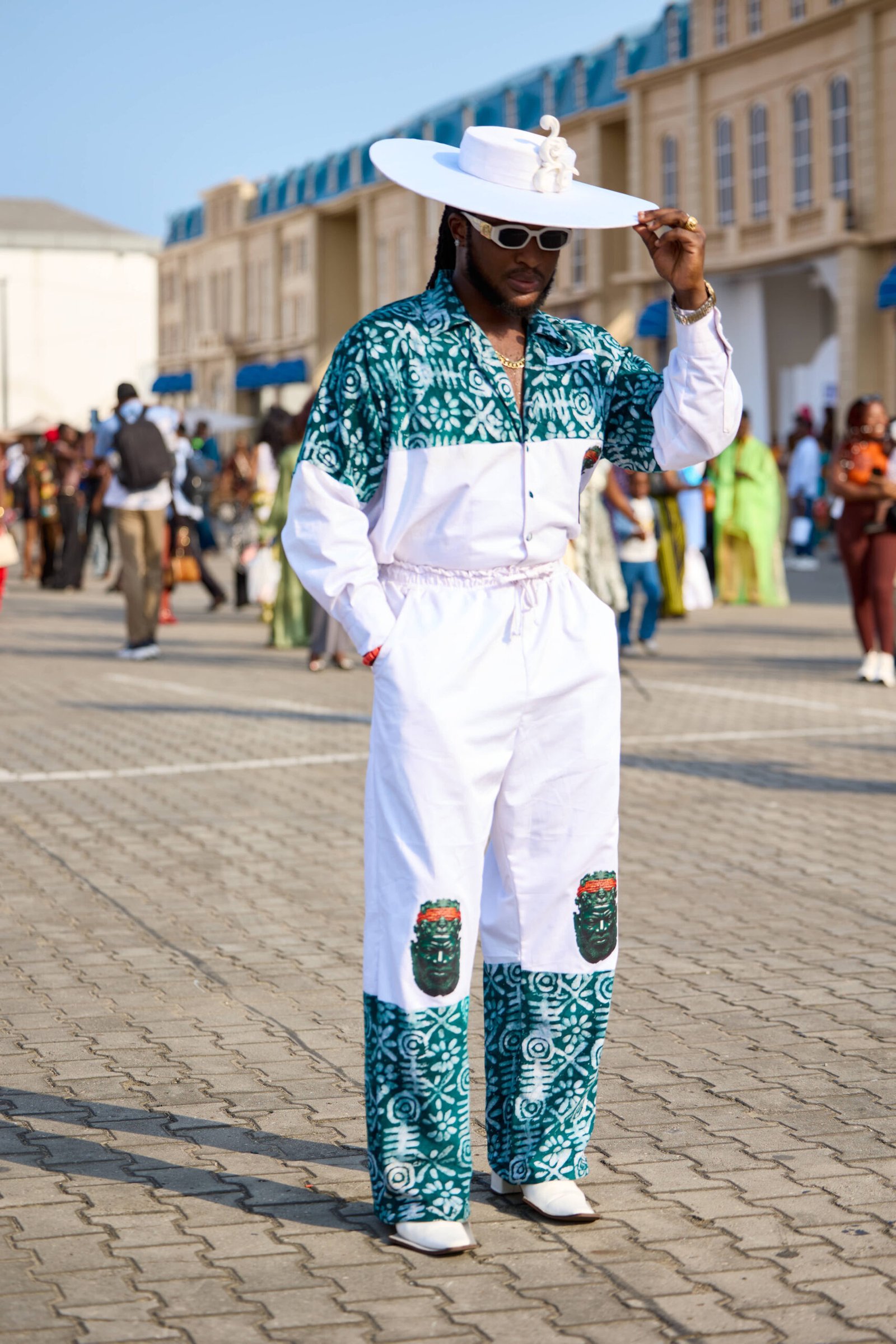
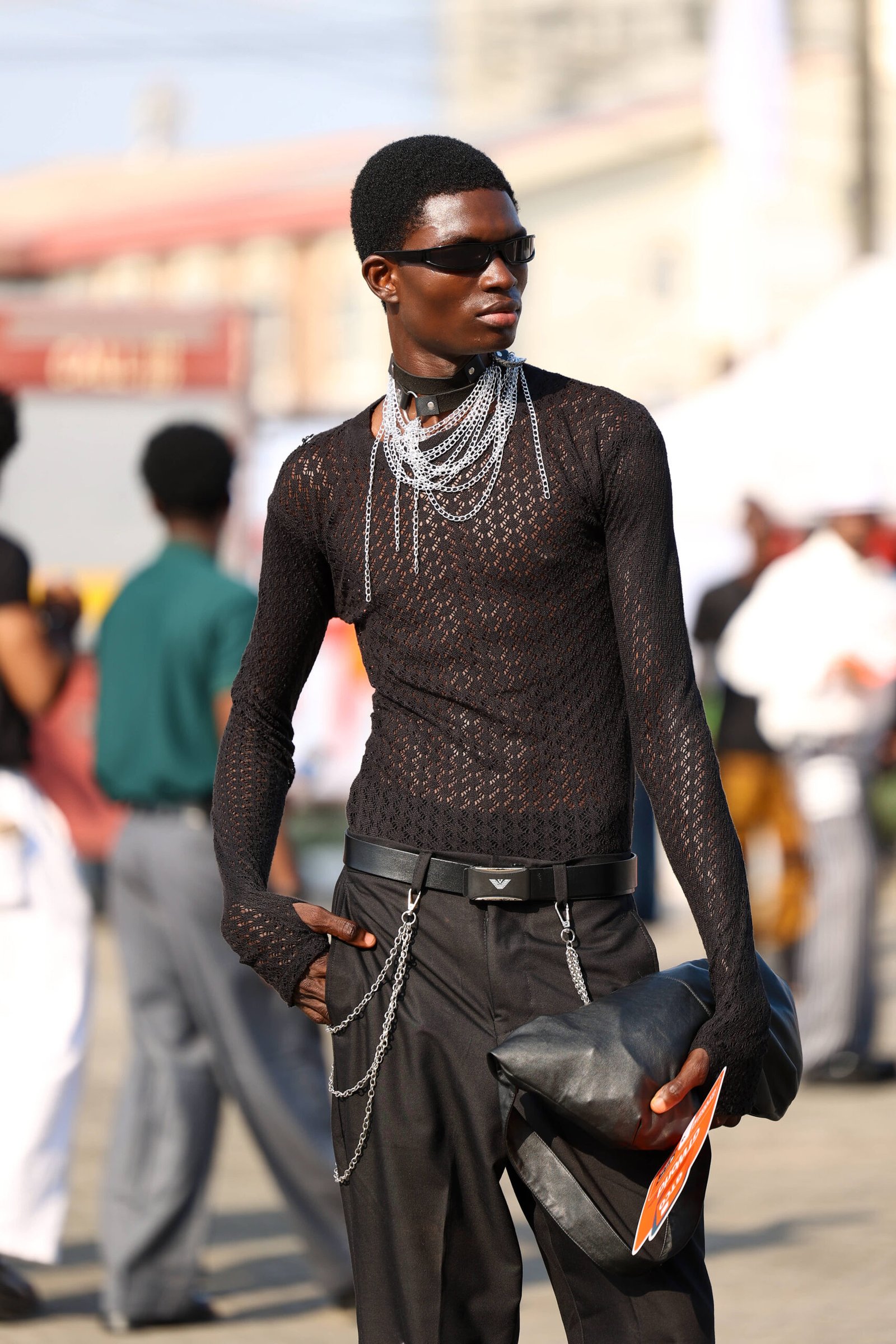
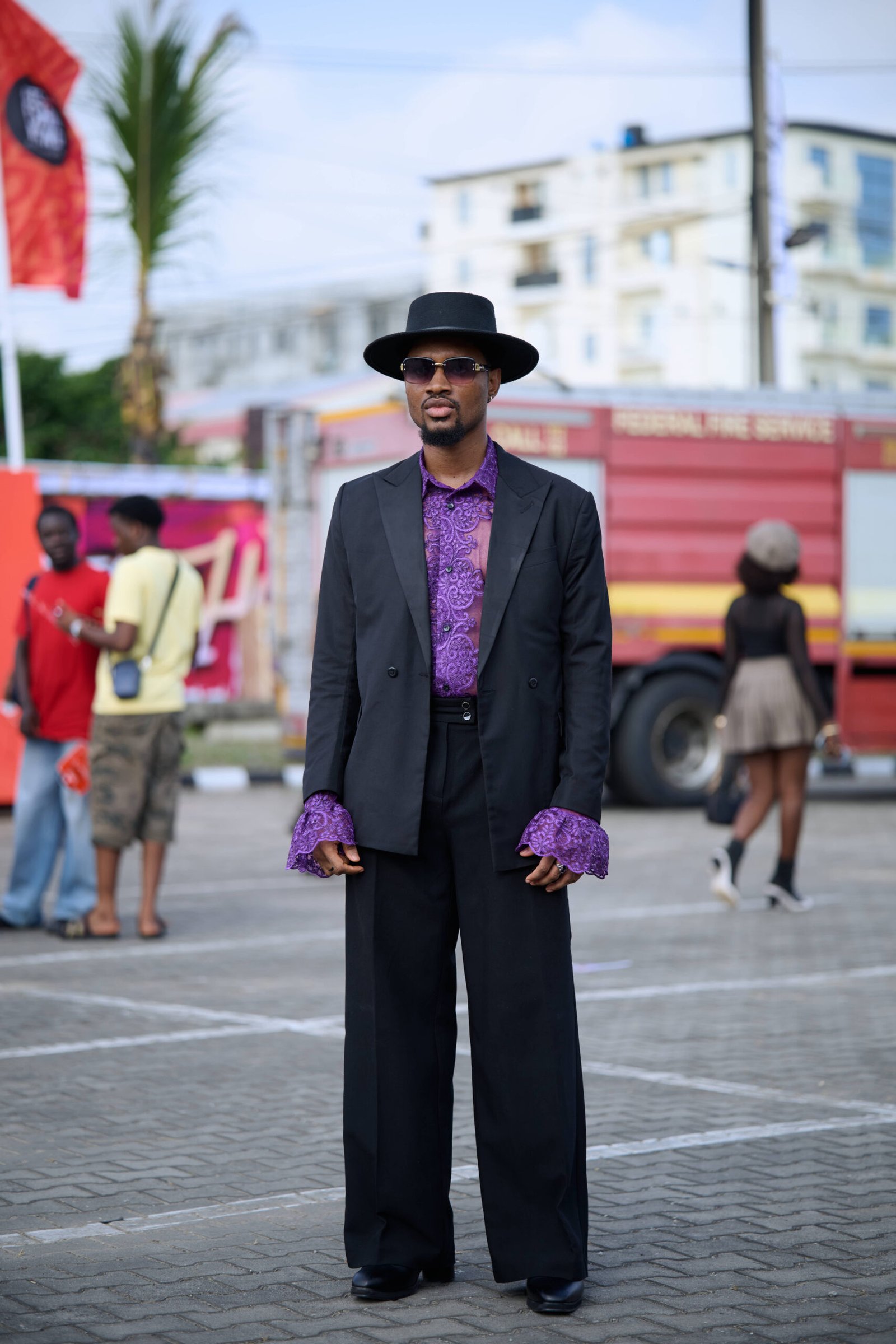
Oversized silhouettes. Sharp trousers. Statement tops. Sneakers. Loafers. Jewellery. Sunglasses. Bags. Combinations built to make you stop and look twice.
And then the looks that broke the old Nigerian rulebook completely — corsets, heels, backless designs, pieces previous generations called off-limits.
This was not about expensive clothes. Anyone can spend money.
This was about styling. About constructing an image.
The boys at GTCO were not wearing clothes. They were making statements.
The Old Rulebook Is Dead
For generations, Nigerian menswear had one script:
Look sharp. Look respectable. Look masculine. Don’t overdo it.
Senator set. Suit. Crisp shirt. Jeans and tee. Colour, but not too much. Accessories, but not too many. Heels? Don’t even mention it.
Gen Z tore that script up.
At GTCO, young men were not dressing to reassure you about who they are. They were dressing because they liked the look. Full stop.
That is the revolution.
Masculinity Got A Wardrobe Makeover
This is not just TikTok. Not just Instagram. Not just Western influence.
Gen Z grew up with the whole world in their pocket. London. Atlanta. Paris. Accra. All in one scroll.
But Lagos boys are not copying. They are remixing.
Tailored jacket with a casual tee. Masculine silhouette softened by jewellery. Traditional Nigerian reference next to international streetwear. A small bag with a hard outfit. An ambiguous look worn without apology.
The new Nigerian fashion boy does not ask for permission. He asks one question: Does this look good on me?
The Bag Is Not The Argument Anymore
Small shoulder bags. Crossbody bags. Structured mini bags. Chosen as deliberately as shoes.
Old generation: “Why is a man carrying that?”
Gen Z: “Does it work with the outfit?”
That is a different fashion philosophy. The accessory is no longer judged by gender. It is judged by proportion, colour, texture, and styling.
Once you think like that, most old rules look stupid.
Oversized Is A Language
Oversized shirt. Roomy trouser. Relaxed jacket. Generous silhouette.
For Gen Z, oversized is not about comfort. It is about attitude.
Big shirt + wide trouser + jewellery + sunglasses + the right sneaker + a bag = a complete visual language.
These boys understand proportion is a statement.
The Shoes Finished the Sentence
Sneakers are no longer just casual. Pair them with tailoring and you change the suit. Wear them with wide trousers and you own the streetwear silhouette.
And some boys went further — boots, loafers, heels.
Provocative? Yes. Bad fashion? No.
Provocative fashion is what makes a scene interesting.
The Sunglasses Were Punctuation
At a fashion event, sunglasses are not for the sun. They are punctuation.
Dark frames make a simple outfit deliberate. Oversized frames exaggerate a silhouette. Narrow frames add retro. Coloured lenses become the whole story.
And Gen Z knows: they photograph well.
Every entrance becomes a photo. Every photo becomes a post. Every post becomes a reference.
Today’s fashion boy does not just dress for the room. He dresses for the digital afterlife of the room.
GTCO Got the Memo
The 2026 edition introduced a dedicated Streetwear Hub. That was not charity. That was recognition.
Streetwear is not the little brother of fashion anymore. It is one of fashion’s major languages. Luxury borrows from it. Musicians collaborate with it. Sneakers drive commerce.
By giving streetwear its own space, GTCO admitted what was already true outside the venue: The street is now part of the establishment.
They Were Not All Dressed Alike. That Is The Point
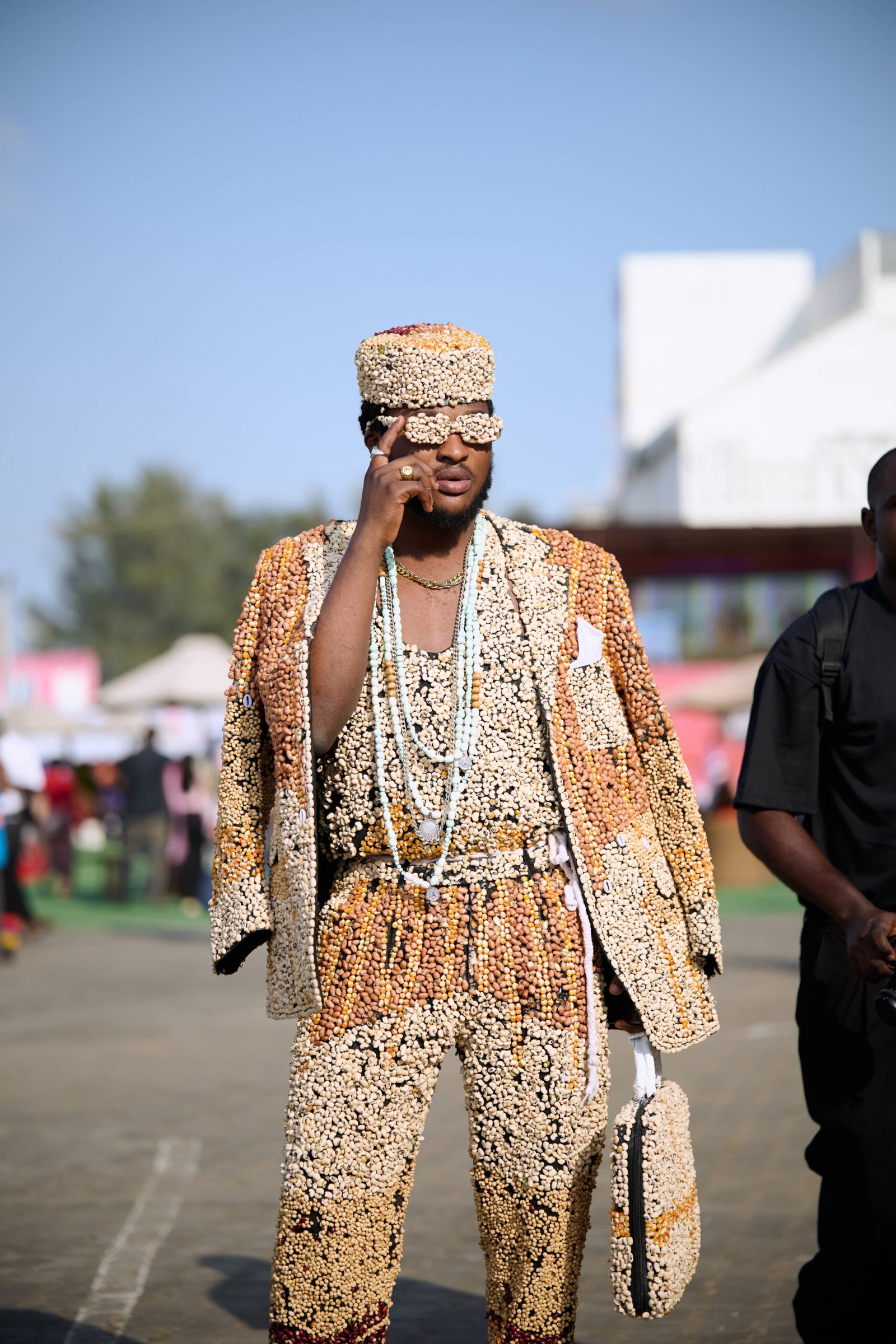
Some minimalist. Some maximalist. Some clean tailoring. Some full streetwear. Some chasing attention. Some effortlessly cool because they looked like they weren’t trying.
Some masculine. Some playing with masculine and feminine. Some in between.
The biggest change is not what they are wearing. It is that they believe they are allowed to choose.
The Backlash Proved It Worked
Lagos did what Lagos does. It had opinions.
The unconventional looks sparked debate online — Enioluwa Adeoluwa defending freedom of expression, TBoss questioning the erosion of traditional masculinity, Bobrisky pushing back on restricting self-expression.
Good. Fashion is supposed to start arguments.
Nobody argues about a plain white tee. Put a young Nigerian man in a corset or heels and suddenly everyone has a position.
That is not a problem. That is proof fashion is doing its job — challenging what people think is acceptable.
But Let’s Be Honest: Not Every Risk Is Style
Wearing something unexpected does not make you fashionable. Style needs intention. Proportion. Restraint. Confidence without desperation.
The most compelling boys at GTCO were not the loudest. They were the ones who looked comfortable inside their choices.
A fashion risk only works when you look like you belong inside it.
The Real Runway Was Outside
Inside: 12 designers. Presentation Stage. 140 businesses. Masterclasses. Textile makers. Streetwear Hub.
Outside: young men arriving, posing, photographing each other, moving through the crowd. No designer telling them what to wear. No stylist. No casting director.
Just choices.
And those choices told the story: A generation with fewer boundaries between cultures, genders, cities, and categories. A generation that understands clothes are conversation, content, identity, and commerce at the same time.
They did not ask, “Is this what a man is supposed to wear?”
They asked, “Does this look good on me?”
At GTCO Fashion Weekend 2026, the answer from the street was clear.
The boys were not waiting for fashion to tell them what’s next. They were telling fashion.