
Nigeria, Africa’s most populous nation, is facing a critical challenge: climate change.
The country is highly vulnerable to the devastating impacts of a warming planet, including extreme weather events like floods and droughts, rising sea levels, and ecological disruptions. These changes threaten not only Nigeria’s environment but also its economic growth, social development, and overall well being.
There was a time when we could reasonably predict the weather in Nigeria. Rainy and dry seasons arrived at specific periods in the year, allowing for preparation, especially among rural farmers. By monitoring the seasons, farmers could cultivate crops and achieve bountiful harvests.
Nigeria’s rainy seasons have changed. Once a land of consistent rain, the country now experiences more intense downpours followed by longer dry periods. This disrupts agricultural production, leading to food insecurity. Floods caused by heavy rains destroy crops and infrastructure, displacing communities. Since September 2022, the worst floods in a decade have affected 3.2 million people across Nigeria, of whom an estimated 60 percent are children. Anambra, Bayelsa, Cross River, and Jigawa States have seen the highest numbers of displaced persons.
In Northern Nigeria, conflict may have continued to drive population displacement, disrupt livelihood activities, and restrict market access. However, the region’s suffering intensifies due to its particular vulnerability to droughts caused by rising temperatures and reduced rainfall. Lake Chad, a vital source of water for millions, is shrinking at an alarming rate. Since the 1960s, the lake has shrunk by around 90%. This recession of water is a result of both reduced precipitation induced by climate change and the development of modern irrigation systems for agriculture, alongside the increasing human demand for freshwater.
Coastal cities like Lagos face the risk of inundation due to rising sea levels. This saltwater intrusion contaminates freshwater sources and threatens coastal ecosystems. Erosion caused by rising sea levels destroys infrastructure and can displace populations. If global warming exceeds 2°C, Lagos State is predicted to see a 90cm rise in sea level by 2100.
Some other current climate change issues in Nigeria include frequent and intense heat waves, deforestation, overgrazing, and extreme weather events that contribute to land degradation. There is no doubt that Nigeria faces a real climate change challenge. It is imperative that the government and other stakeholders put in place mitigation and adaptation projects, such as developing renewable energy sources and reducing emissions, as well as adaptation efforts, including building resilient infrastructure and fostering community resilience, to curb climate change challenges in Nigeria.
A solution to Nigeria’s rising climate change challenge is climate finance. Climate finance refers to local, national and transnational financing that is drawn from public, private and alternative sources of financing that seeks to support mitigation and adaptation actions that will address climate change. Climate finance plays a critical role in empowering developing nations like Nigeria to combat climate change. It provides the much-needed resources to implement mitigation and adaptation strategies that safeguard the environment and bolster climate resilience.
While Nigeria has ambitious climate goals enshrined in its Nationally Determined Contributions (NDCs) – a pledge under the Paris Agreement to reduce greenhouse gas emissions – achieving them hinges on a crucial factor: climate finance.
Climate finance serves as a crucial instrument for Nigeria to confront its climate change challenges. It encompasses various funding sources, that includes, multilateral aid in form of grants and concessional loans provided by developed countries and international organizations. Investments from banks, insurers, and asset managers in climate-smart projects that emanate as private sector investment and carbon pricing mechanisms which are revenue generated from carbon taxes or emissions trading schemes.
By effectively deploying climate finance, Nigeria can invest in renewable energy sources like solar and wind power which can lessen reliance on fossil fuels and reduce greenhouse gas emissions. Funds can be directed towards strengthening infrastructure to withstand extreme weather events, developing climate-resistant crop varieties, and improving early warning systems. Support for the adoption of sustainable agricultural practices that enhance food security and reduce deforestation can also be achieved.
The Funding Gap and the Urgency for Action
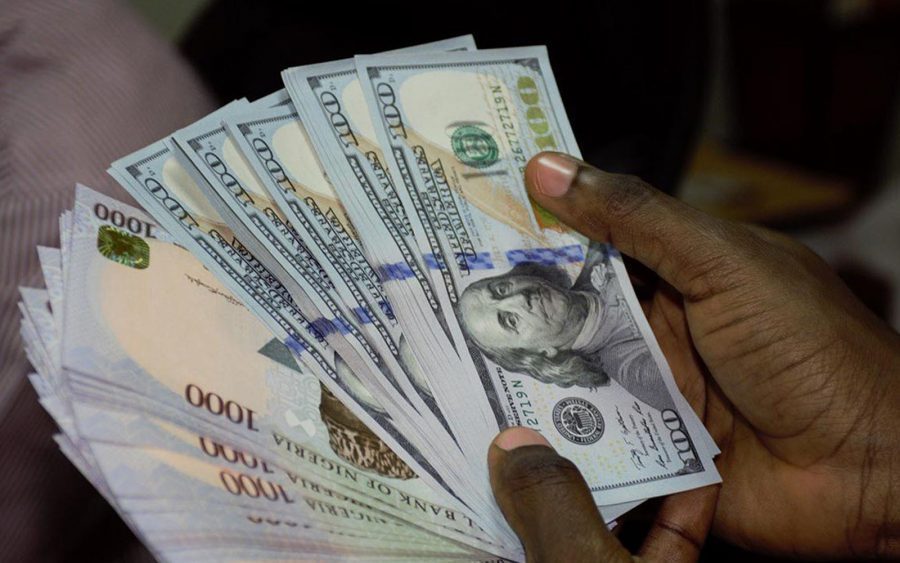
Nigeria’s current climate finance scenario paints a concerning picture. Estimates suggest the country receives around $1.9 billion annually, a far cry from the estimated $17.7 billion required to meet its NDC targets by 2030. This significant funding gap translates to a lack of resources for crucial climate action initiatives.
The consequences of inaction are dire. Studies by the Department for International Development (DFID) indicate that climate change could cost Nigeria between 6% and 30% of its GDP by 2050. This economic strain, coupled with environmental degradation and social upheaval, could significantly destabilize the nation.
Bridging the climate finance gap necessitates a multi-pronged approach involving various stakeholders:
-
Public Sector: The Nigerian government must prioritize climate finance allocation within its budget. Innovative mechanisms like carbon taxes and green bonds can be explored to generate additional revenue for climate projects.
-
Private Sector: The private sector has a vital role to play. Banks and financial institutions need to develop financial products that incentivize investments in low-carbon and climate-resilient technologies. Additionally, corporations should factor climate risk into their decision-making processes and invest in sustainable practices.
-
International Community: Developed nations have a responsibility to support developing countries like Nigeria in their climate efforts. Fulfilling pledges made under international agreements like the Green Climate Fund is crucial.
Despite the challenges, there are positive developments on the Nigerian climate finance landscape. In November 2021, The Climate Change bill was signed into law by President Buhari in order to provide Nigeria with a legal framework for climate action, fostering transparency and accountability in climate finance management. Nigeria also issued sovereign green bonds to finance renewable energy projects, demonstrating a commitment to sustainable development.
Nigeria’s climate action journey will require sustained efforts and strategic partnerships. Some key areas for focus are:
-
Enhancing Transparency and Accountability: Clear reporting mechanisms and robust governance structures are essential to ensure that climate funds are used effectively and efficiently.
-
Capacity Building: Building domestic expertise in climate finance management is crucial. Training programs and knowledge-sharing initiatives can equip stakeholders with the necessary skills to navigate the complexities of climate finance.
-
Unlocking Private Sector Investment: Creating an attractive environment for private sector investment in climate solutions, through policy incentives and de-risking mechanisms, is essential.
Climate change is an existential threat to Nigeria, but it also presents an opportunity for transformation. By mobilizing adequate climate finance, Nigeria can build a low-carbon and climate-resilient future. This will require a collective effort from the government, private sector, and international community. With decisive action and innovative solutions, Nigeria can not only safeguard its environment but also secure a sustainable and prosperous future for its citizens.
Written by Grace Oluchi Mbah, Co-Founder and Executive Director, Climate Action Africa